Iron Deficiency in Infants: Why This Hidden Risk Matters More Now
Mother & baby
|
March 18, 2026
Is your baby sleeping poorly, looking a bit pale, or eating less? You might be missing a quiet problem: iron deficiency. It sneaks up on many parents, but fixing it is easier than you think. Let's look at how to protect your little one right now.
Is Your Baby Low on Iron? The Sneaky Warning Signs
Most parents expect a sick baby to run a fever or cry all night. But iron issues are much quieter. Your baby won't wake up one morning and tell you they need a steak. Instead, the signs of iron deficiency build up slowly over weeks or months.
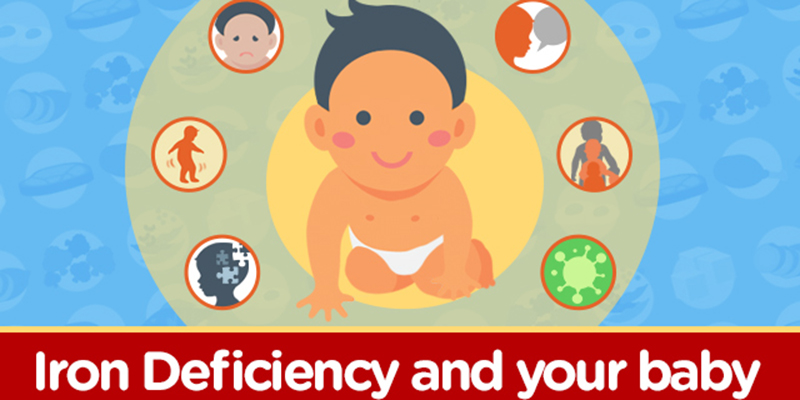
Here is what you should actually look for in your day-to-day routine:
1. The Eyelid Test: Pull down your baby's lower eyelid gently. Is the inside bright pink/red, or is it very pale? Pale tissue here, or pale skin overall, is a classic warning sign.
2. Constant Grumpiness: We all know babies get cranky. But if your baby is fussy almost all the time and hard to soothe, low iron could be affecting their energy.
3. Cold Hands and Feet: If your house is warm but your baby's hands and toes constantly feel like ice cubes, their blood might be struggling to carry enough oxygen.
4. A sudden drop in appetite: It sounds backward, but lacking iron actually makes babies want to eat less, creating a vicious cycle.
5. Frequent sickness: Iron helps build the immune system. A baby who catches every single cold might be running on empty.
Why Just Milk Fails After 6 Months
We will keep the science very brief. Babies are born with a store of iron from their mother. Around the six-month mark, that tank runs dry. Breast milk is amazing, but it contains almost zero iron. The formula has added iron, but as your baby grows, drinking milk alone cannot keep up with how fast their blood and brain are expanding. You have to bring in outside help.
Here is where things get tricky. Knowing they need iron is one thing, but getting a toothless baby to eat it is another.
The Best Iron-Rich Baby Food: What to Actually Put on the Spoon
When you walk down the baby aisle, everything claims to be healthy. But when it comes to infant nutrition, not all iron is created equal. Please focus on foods that the tiny human body can absorb easily.
We break iron down into two simple camps: meat (easy to absorb) and plants (harder to absorb).
The Easy Wins: Meat-Based Iron
Your baby's body absorbs iron from meat much faster than from any other source. You don't need to feed them a huge portion; even a tablespoon a day makes a massive difference.
1. Dark Meat Chicken: Skip the dry chicken breast. Buy chicken thighs. They are cheaper, softer, and pack way more iron. Slow-cook them until they fall apart, then shred or blend them with a little low-sodium chicken broth.
2. Beef Chuck or Ground Beef: Ground beef is incredibly easy to turn into baby food. Cook it fully, then blend it with sweet potato purée. The sweetness hides the heavy meat flavor.
3. Chicken Liver: This is nature's vitamin pill. It has a very strong taste, so you only need to boil a tiny piece, mash it, and mix it into a bowl of regular food once a week.
The Plant-Based Options (And The Trick To Making Them Work)
If your family does not eat meat, or you want variety, plants are great. But plant iron needs a helper to be absorbed by the body. That helper is Vitamin C. If you give your baby plant iron without Vitamin C, most of the iron passes straight through their diaper.
1. Lentils and Beans: Boil red lentils until they turn to mush. The Vitamin C Trick: Stir in a squeeze of fresh lemon juice or mix the lentils with tomato sauce.
2. Spinach: Never serve raw spinach to a baby. Steam it until soft, chop it super fine, and mix it into scrambled eggs. The Vitamin C Trick: Serve it alongside mashed strawberries.
3. Fortified Cereals: Oatmeal baby cereal is a staple. The Vitamin C Trick: Don't mix it with just water or milk. Mix it with pureed kiwi or mango.
The Iron Blockers: What To Avoid
Just as Vitamin C helps, Calcium hurts. High amounts of Calcium will physically block iron from entering your baby's bloodstream. Do not serve iron-heavy meals with lots of cheese, yogurt, or large bottles of cow's milk. Separate the yogurt snacks from the beef lunch by at least two hours.
Month-by-Month Infant Nutrition Guide for Iron Needs
So, what does this actually look like on a high-chair tray? How you feed a six-month-old is completely different from how you feed a one-year-old. Here is a totally practical, age-by-age breakdown.
6 Months: The Starting Line
At this age, food is just for practice. They will spit out more than they swallow. Your goal is to introduce iron-rich foods 1 to 2 times a day.
What to serve: Very smooth purées. Iron-fortified oat cereal is the easiest starting point. (Tip: Many pediatricians now say to skip rice cereal because it has fewer nutrients and risks containing heavy metals; stick to oats.
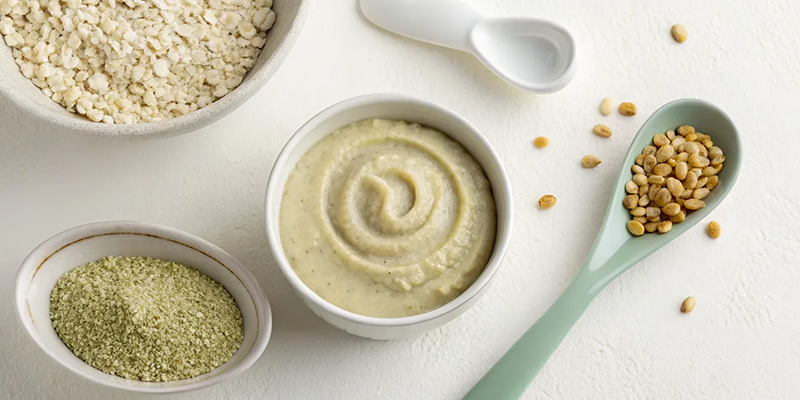
Practical meal: 2 tablespoons of fortified oat cereal mixed with breastmilk/formula, topped with a spoon of pureed peaches.
7 To 9 Months: Building The Habit
Now your baby is getting the hang of swallowing. They might have a tooth or two. It is time to make iron a solid part of their daily routine, aiming for 2 meals a day.
What to serve: Thicker textures and soft finger foods. If you are doing Baby-Led Weaning (letting them feed themselves), this is where meat becomes fun.
Practical meal: Make baby meatballs. Mix ground turkey with a little fortified infant cereal (instead of breadcrumbs) and applesauce for moisture. Bake them until soft, cut them into strips, and let your baby grab them.
10 To 12 Months: Joining The Family Table
Your baby is highly active now, crawling or trying to walk. Their energy needs are huge. They should be getting iron-rich foods 3 times a day.
What to serve: They can eat most of what you eat, just chopped smaller and without added salt.
Practical meal: Scrambled eggs cooked in a little butter for breakfast. For lunch, soft black beans squished flat with your thumb (so they don't choke) mixed with diced red bell peppers.
Iron Drops vs. High-Iron Foods: How to Choose
If you are worried that your baby isn't eating enough, you might be tempted to buy a bottle just to buy iron drops from the pharmacy for a food-first approach. Real food provides fiber, healthy fats, and other vitamins that drops don't.
When To Use Food:
If your baby was born full-term, is growing well, and eats a little meat, beans, or fortified oats every day, they likely do not need drops. Just keep offering a good variety of meals.
When To Ask About Drops:
If your baby was born prematurely, their starting iron tank was much smaller. Or, if your doctor did a blood prick at the 9-month or 12-month checkup and found actual anemia, food won't be enough to fix it fast.
A quick warning about iron drops: They are notorious for tasting terrible and smelling like rusty pennies. They can also turn your baby's poop dark black (which is normal, don't panic) and cause hard constipation. If your doctor tells you to use drops, ask them about adding a little prune purée to your baby's diet to keep their tummy moving smoothly. Never start iron drops without first asking a pediatrician, as too much iron can make a baby very sick.
Conclusion
Keeping your baby's iron levels up does not require a master's degree in nutrition. It just takes a few smart choices at the grocery store. Start by adding a little beef purée or fortified oats to their daily meals, and remember the magic of pairing plants with fruit. If you are still worried about those pale cheeks or fussy afternoons, book a quick chat with your pediatrician. You have got this, and your baby's growing brain will thank you!
Just For You

How To Plan A Perfect Group Travel Experience
May 25, 2026

How To Find The Best Local Food Spots
May 24, 2026

Valentine’s Day Perfumes That Feel Intimate and Elegant
March 28, 2026

How To Pair Tea With Alcohol For Unique Flavor Experiences
March 25, 2026

How To Perfectly Pair Tea With Food: Expert Tips And Tricks
March 24, 2026

Herbal Mushroom Teas You Can Drink Daily for Health and Focus
March 22, 2026
Recommended For You
How To Plan A Perfect Group Travel Experience

Discovering Adventure Hiking and Surfing in the USA

Weight Loss Diet Plan for Men: 5 Weeks to a Leaner Body

Best Developmental Toys That Boost Motor Skills in Toddlers Now
Modular Baby Strollers: Why Flexible Designs Are Gaining Popularity